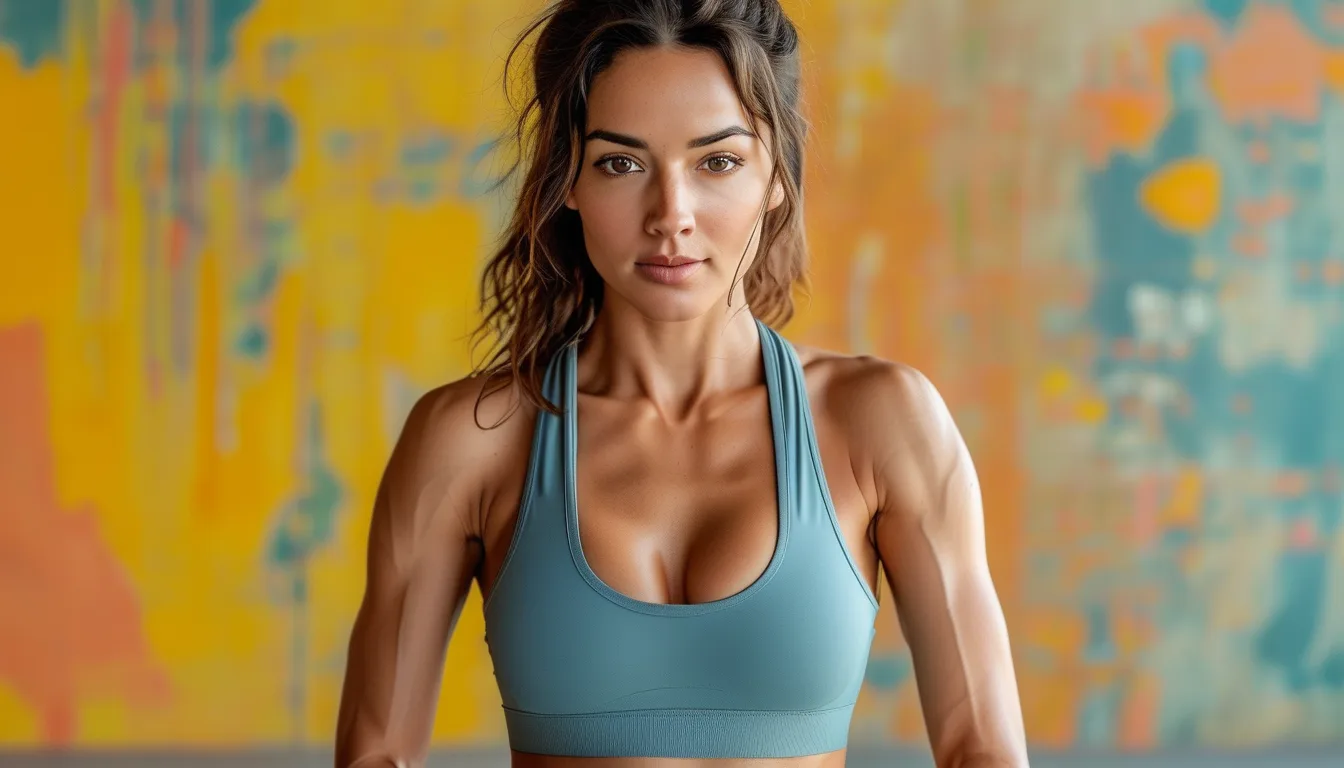
What Do Activewear Fabric Tech Labels Actually Mean? A Decoder Guide
Quick Answer: “Moisture-wicking” means the fabric pulls sweat to the surface to evaporate faster; “four-way stretch” means it stretches both lengthwise and widthwise; “compression” means graduated tightness for muscle support — each term describes a specific, checkable function, not just marketing.
Activewear tags are covered in technical-sounding terms that mean very little without translation. Here’s what each common label is actually promising, and how to verify it’s true.

What does ‘moisture-wicking’ actually mean?
The fabric structure pulls sweat away from your skin to the outer surface, where it spreads thin and evaporates faster than it would just sitting against your body. This works through fiber capillary action, not magic — synthetic blends (polyester, nylon) wick significantly better than cotton, which absorbs and holds moisture instead of moving it away.
What’s the difference between two-way and four-way stretch?
Two-way stretch fabric only stretches in one direction, usually widthwise — fine for looser-fit tops, restrictive for leggings during a deep squat or lunge. Four-way stretch moves both lengthwise and widthwise, which is why quality leggings almost universally use it — it’s the difference between fabric that moves with a full range of motion and fabric that fights you at the bottom of a squat.

What does ‘compression’ actually do?
Genuine compression fabric applies graduated pressure, tightest at the extremities and looser toward the core, which some research links to reduced muscle vibration and potentially less fatigue during exercise. Not all snug-fitting leggings are true compression — the graduated pressure pattern, not just tightness, is what defines the category.
Is ‘quick-dry’ the same thing as moisture-wicking?
Related but distinct — moisture-wicking is about moving sweat away from skin; quick-dry is about how fast the fabric itself dries once wet, whether from sweat or a wash cycle. A fabric can wick well but still take a long time to fully dry, so the two claims aren’t automatically interchangeable.
FAQ: Activewear Fabric Tech Questions, Answered
Is four-way stretch always better than two-way stretch?
For leggings and anything requiring full range of motion, yes — two-way stretch is fine for less flexibility-demanding pieces like structured tops, but leggings benefit clearly from four-way.
Does true compression gear actually improve performance?
Evidence is mixed but generally points to modest benefits for reduced muscle vibration and perceived fatigue — it’s not a dramatic performance transformation, more a comfort and recovery aid.
How can I tell if moisture-wicking claims are real?
A quick water-drop test on the fabric — genuine wicking fabric spreads a drop out thin quickly rather than letting it bead up and sit, which is a fast way to check the claim yourself.
TL;DR:
- Moisture-wicking pulls sweat to the surface to evaporate faster
- Four-way stretch moves in both directions — important for leggings specifically
- True compression uses graduated pressure, not just a snug fit
- Quick-dry and moisture-wicking are related but separate claims
Knowing what each label actually promises turns confusing tags into a real basis for comparing activewear.
See It in Motion
Seen here: Super High Waist Embossed Yoga Leggings with Inner Pocket — shop it on bubblelime.com
Keep Reading
This article is for general informational and styling purposes only. Fit, sizing, and product availability may vary.