Activewear Fabric Tech Labels Decoded: What 'Squat-Proof,' 'Four-Way Stretch,' and 'Compression' Actually Mean
Quick Answer: ‘Squat-proof’ means the fabric stays opaque under maximum stretch (tested in a deep squat), ‘four-way stretch’ means the fabric stretches both lengthwise and widthwise rather than just one direction, and ‘compression’ refers to graduated pressure — none of these terms are regulated, so quality still varies significantly between brands using the same label.
Activewear tags are full of terms that sound like guarantees but are really just marketing shorthand for specific (and sometimes loosely applied) fabric properties.
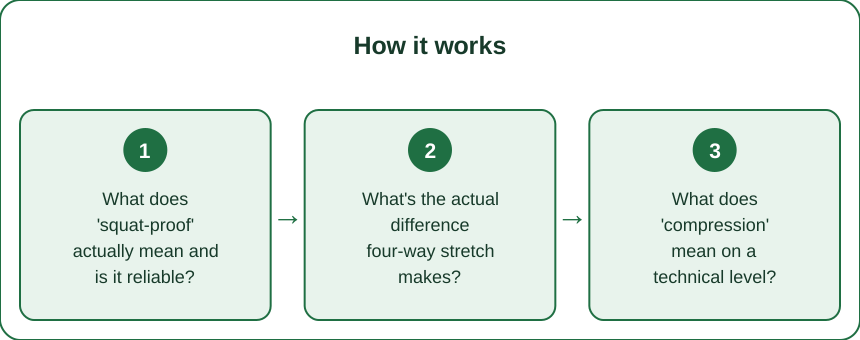
What does ‘squat-proof’ actually mean and is it reliable?
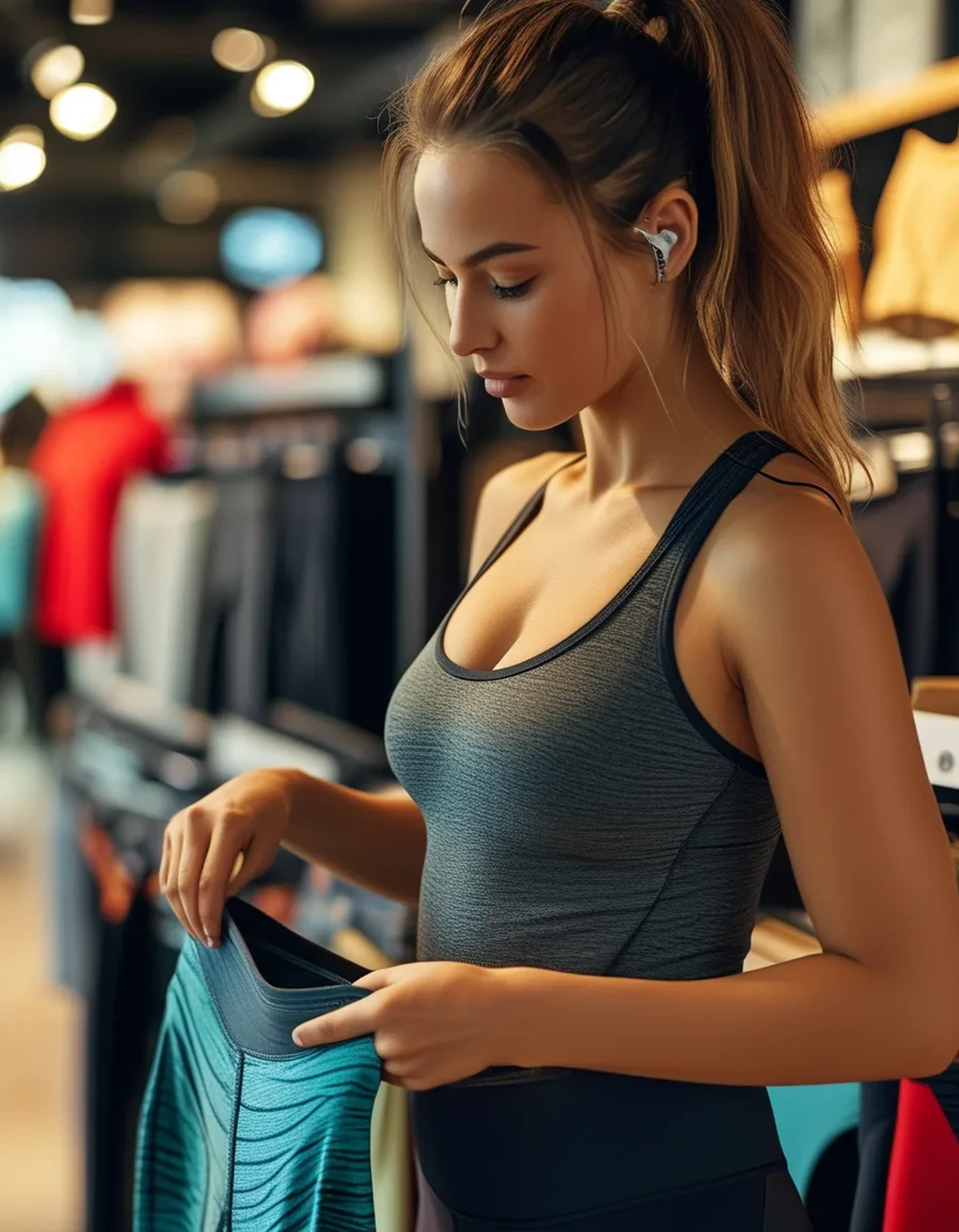
‘Squat-proof’ specifically refers to a fabric’s opacity being tested under maximum stretch, usually a deep squat position, to confirm it doesn’t become see-through.
The term isn’t independently regulated, though, which means the rigor of that testing varies by brand — some brands publish actual squat-test photos or videos, which is a more reliable signal than the label claim alone.
What’s the actual difference four-way stretch makes?
Four-way stretch fabric moves in both the vertical and horizontal directions, unlike two-way stretch which only stretches one way (usually widthwise) — this matters for activewear because movement (squatting, lunging, reaching) pulls fabric in multiple directions simultaneously.
Two-way stretch fabric in a legging can feel restrictive during deep movement or, more commonly, is what leads to that ‘squat-proof’ failure — the fabric has nowhere to give lengthwise, so it thins and becomes more sheer under strain.
What does ‘compression’ mean on a technical level?
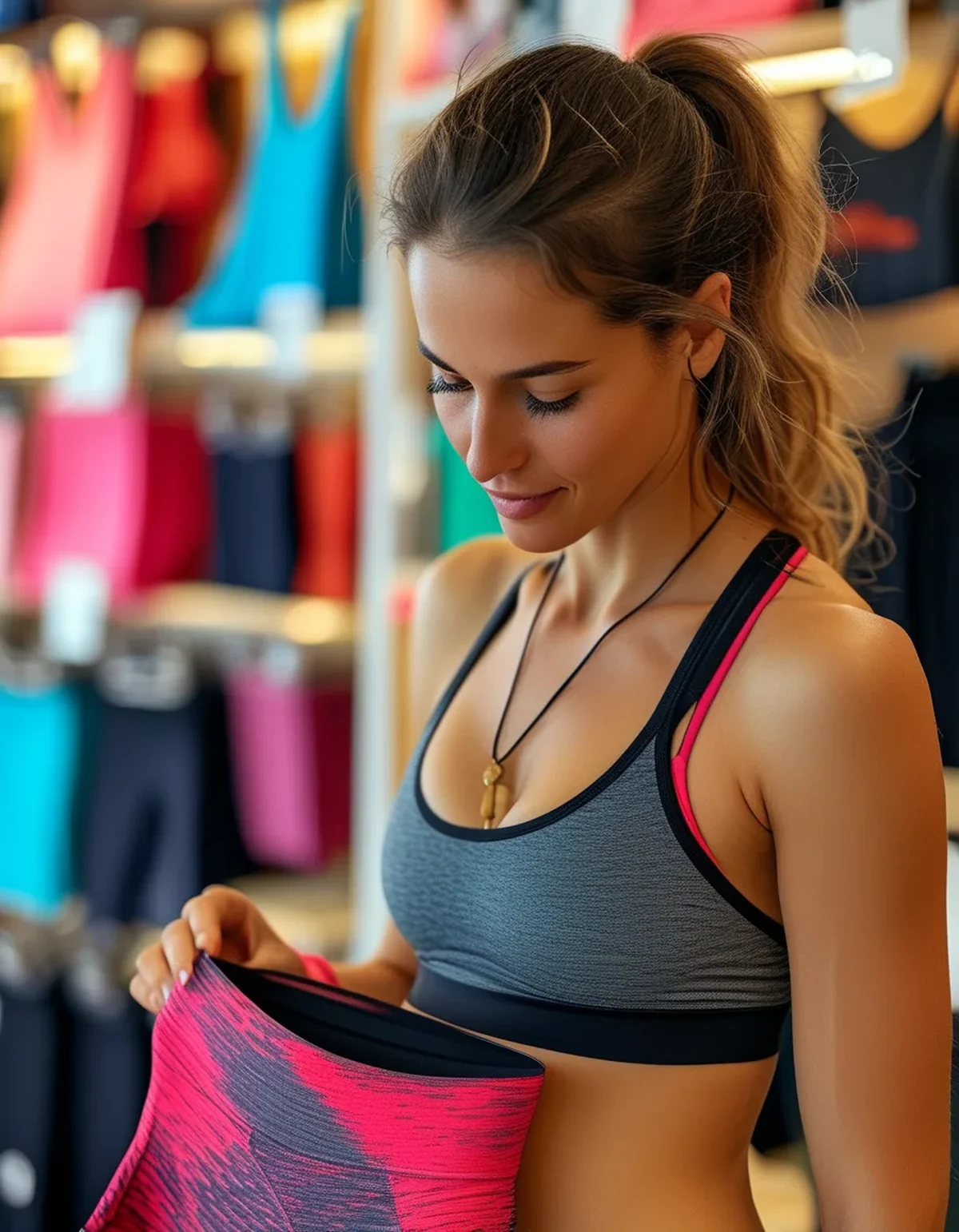
True compression fabric applies graduated pressure (tighter at the extremities, looser toward the core) engineered for circulation and muscle support, distinct from fabric that’s simply tight-fitting without that graduated structure.
Many products labeled ‘compression’ are really just snug-fitting rather than true graduated compression — genuine compression wear usually specifies mmHg pressure ratings or references medical-grade compression standards, which is a more reliable indicator than the word alone.
Online Shopping: How to Sizing-Chart-Proof These Claims
Checking a brand’s specific sizing chart (not a generic size label) against your actual measurements is the most reliable way to translate fabric tech claims into an actual expected fit, since ‘squat-proof’ or ‘compression’ claims mean little if the size itself is wrong.
Reading recent reviews specifically mentioning the squat test or fit at your body type gives a more grounded read than the product description alone, since brands rarely have incentive to caveat their own marketing claims.
FAQ: Activewear Fabric Tech Terms, Answered
Is ‘moisture-wicking’ a similarly vague term?
Somewhat — moisture-wicking generally refers to fabric’s ability to pull sweat away from skin to the surface for faster evaporation, but the degree of effectiveness varies widely and isn’t standardized either.
Does a higher price always mean better fabric tech?
Not reliably — price correlates loosely with fabric quality but brand markup, materials sourcing, and margin all vary, so price alone isn’t a dependable proxy for actual performance.
Are there any actually regulated activewear fabric standards?
Some (like UPF sun protection ratings) are tested and regulated; most performance marketing terms like ‘squat-proof’ or generic ‘compression’ are not independently verified, so treat them as brand claims rather than certified standards.
TL;DR:
- ‘Squat-proof’ means tested opaque under deep stretch, but testing rigor isn’t standardized
- Four-way stretch moves in both directions, which is what actually prevents the squat-proof failure
- ‘Compression’ should mean graduated pressure, not just a snug fit — check for mmHg specs
- None of these terms are regulated — reviews and brand-specific sizing charts are more reliable than the label alone
Next time you see ‘squat-proof’ on a tag, look for an actual test photo or video before trusting the claim alone.
See It in Motion
Seen here: Super High Waist Embossed Yoga Leggings with Inner Pocket — shop it on bubblelime.com
Keep Reading
This article is for general informational and styling purposes only. Fit, sizing, and product availability may vary.