Squat-Proof Leggings for Plus Size: What Actually Changes About the Test
Quick Answer: Fabric stretches further to cover more surface area on a curvier body, which means the same fabric that passes a squat test on one body shape can thin out and become see-through on another — the fabric’s stretch limit relative to your specific measurements matters more than the brand’s general size range.
Most squat-proof testing advice pictures one body type doing the test, but fabric opacity is a function of how far the material is being stretched, not a fixed brand-wide guarantee — which means the test result can genuinely differ across sizes within the exact same product line.
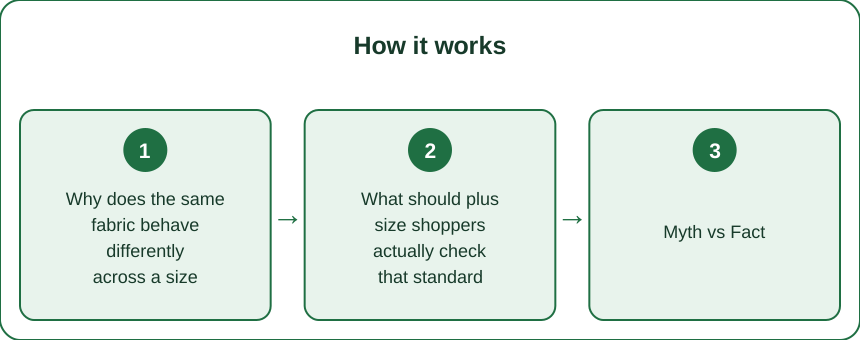
Why does the same fabric behave differently across a size range?
Fabric opacity depends on how much the fibers are stretched relative to their resting state — the more a fabric stretches to cover a given area, the more the fibers separate and thin, which is what causes see-through spots. On a curvier body, the fabric across the hip and thigh area is often stretched further than the same fabric on a straighter body shape, even within the same brand’s ‘extended’ or ‘plus’ size range if the pattern was scaled up rather than specifically re-engineered.
This is why a legging that passes the squat test at a smaller size in a lineup doesn’t automatically guarantee the same pass rate at a larger size in the identical fabric — the stretch math is different.
What should plus size shoppers actually check that standard guides skip?
Look specifically for brands that pattern their plus sizes separately rather than simply scaling up a straight-size pattern, since a properly re-engineered plus size pattern accounts for different proportional stretch distribution rather than assuming uniform scaling. Reviews from other plus size customers, when available, are also more reliable here than a brand’s general marketing claims, since they reflect the actual fabric behavior at your size range specifically.
A higher spandex percentage (18%+) tends to hold opacity better across a wider size range than a lower-stretch blend, making the fabric composition number worth checking closely regardless of size.
Myth vs Fact: Squat-Proof Testing and Body Size
Myth: If a legging passes the squat test in a store, it’ll pass at every size in that line. Fact: Fabric behavior changes with how much it’s stretched, so pass/fail results can genuinely differ across a size range within the same product.
Myth: Plus size leggings are always just scaled-up versions of straight sizes. Fact: Some brands do re-engineer the pattern and fabric distribution specifically for larger sizes, which tends to perform more reliably — this varies significantly by brand, so it’s worth researching rather than assuming.
Myth: A higher price always means better squat-proof performance at every size. Fact: Price doesn’t reliably predict fabric behavior across size ranges — checking the actual spandex percentage and size-specific reviews is more reliable than price alone.
How should you actually test fit and opacity at home after buying?
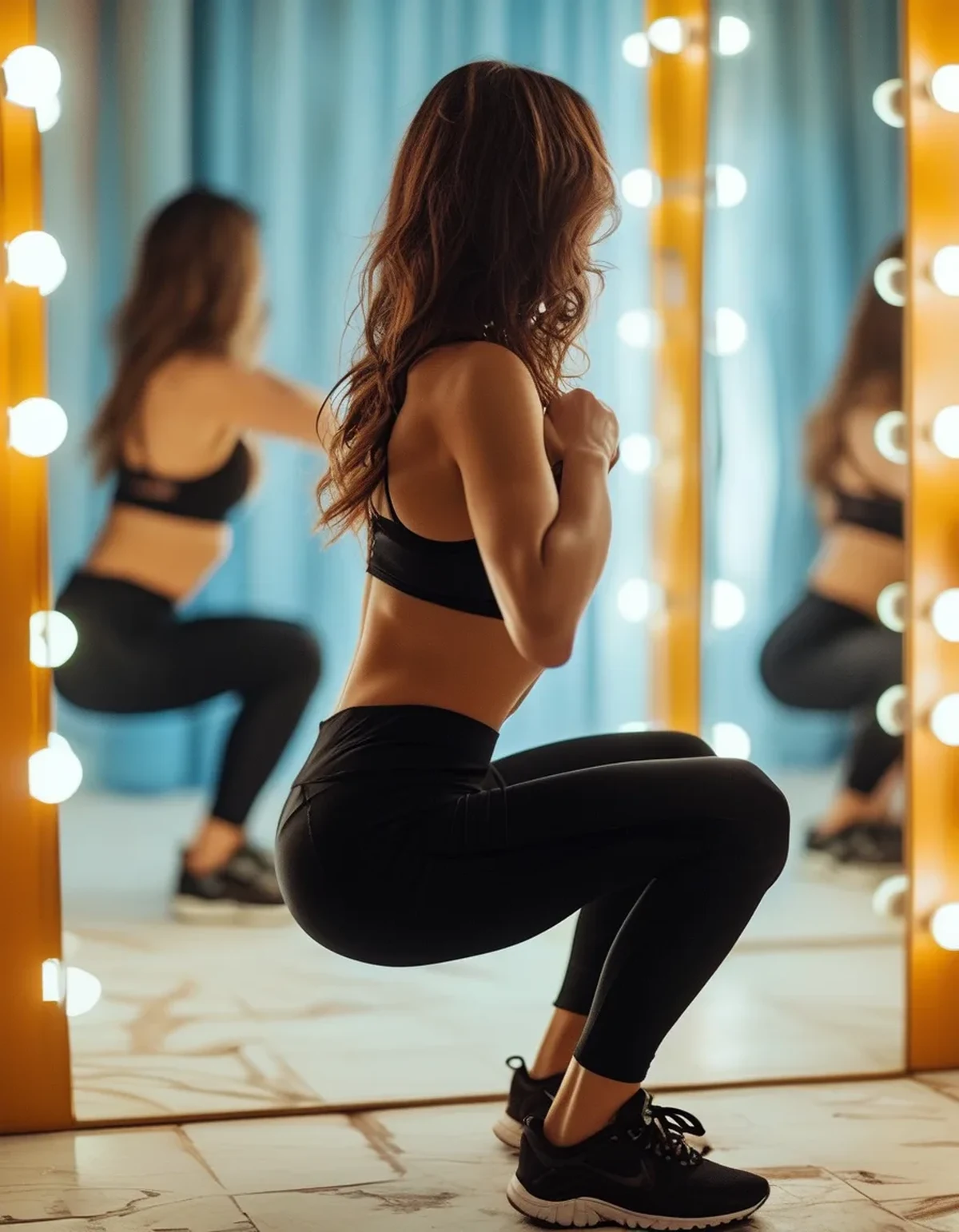
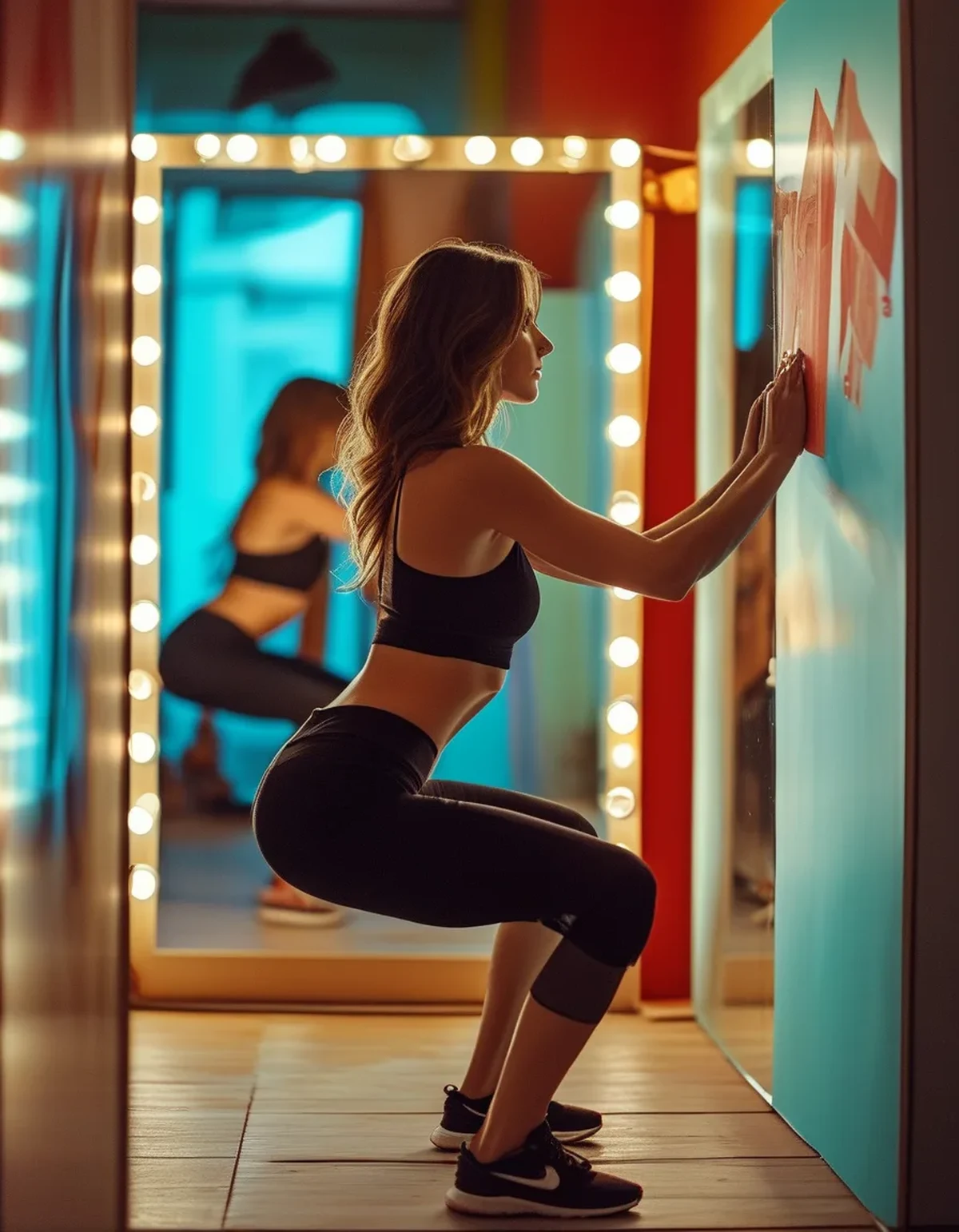
Do the same mirror squat test with bright light behind you that’s recommended for any size — bend into a full squat and check a mirror or have someone check from behind under strong lighting, since gym lighting is often brighter and more revealing than a bedroom mirror. Also do a seated test and a lunge test, since some fabrics that pass a standing squat still thin out during a deep lunge or seated stretch.
If a specific pair fails the test, that’s useful brand-specific information for future purchases — it doesn’t mean squat-proof leggings don’t exist for your size, it means that specific fabric or pattern wasn’t engineered well enough for the stretch it’s being asked to handle.
FAQ: Plus Size Squat-Proof Leggings Questions, Answered
Do I need a completely different testing method than standard squat-proof guides suggest?
The test itself (squat under bright light, check from behind) is the same — what changes is that you shouldn’t assume a pass at one size guarantees a pass at another within the same product line.
Is spandex percentage more important for plus size shoppers specifically?
It matters for everyone, but since fabric is often stretched further across a larger size range, a higher spandex percentage (18%+) tends to make a bigger visible difference in opacity reliability at plus sizes.
Should I trust a brand’s plus size claims without checking reviews?
It’s worth checking reviews specifically from buyers in your size range when available, since brand marketing doesn’t always reflect how the fabric performs once actually stretched at that size.
TL;DR:
- Fabric opacity depends on how far it’s stretched, which differs across a size range within the same product
- Brands that re-engineer plus size patterns tend to perform more reliably than simple scale-ups
- Check spandex percentage and size-specific reviews, not just the brand’s general claims
- Test with a squat, a lunge, and a seated stretch, not just one movement
A squat-proof guarantee only means something if it was actually tested at your specific size, not just somewhere else in the brand’s lineup.
See It in Motion
Seen here: High Waist Embossed Yoga Leggings with Side Pockets — shop it on bubblelime.com
Keep Reading
This article is for general informational and styling purposes only. Fit, sizing, and product availability may vary.