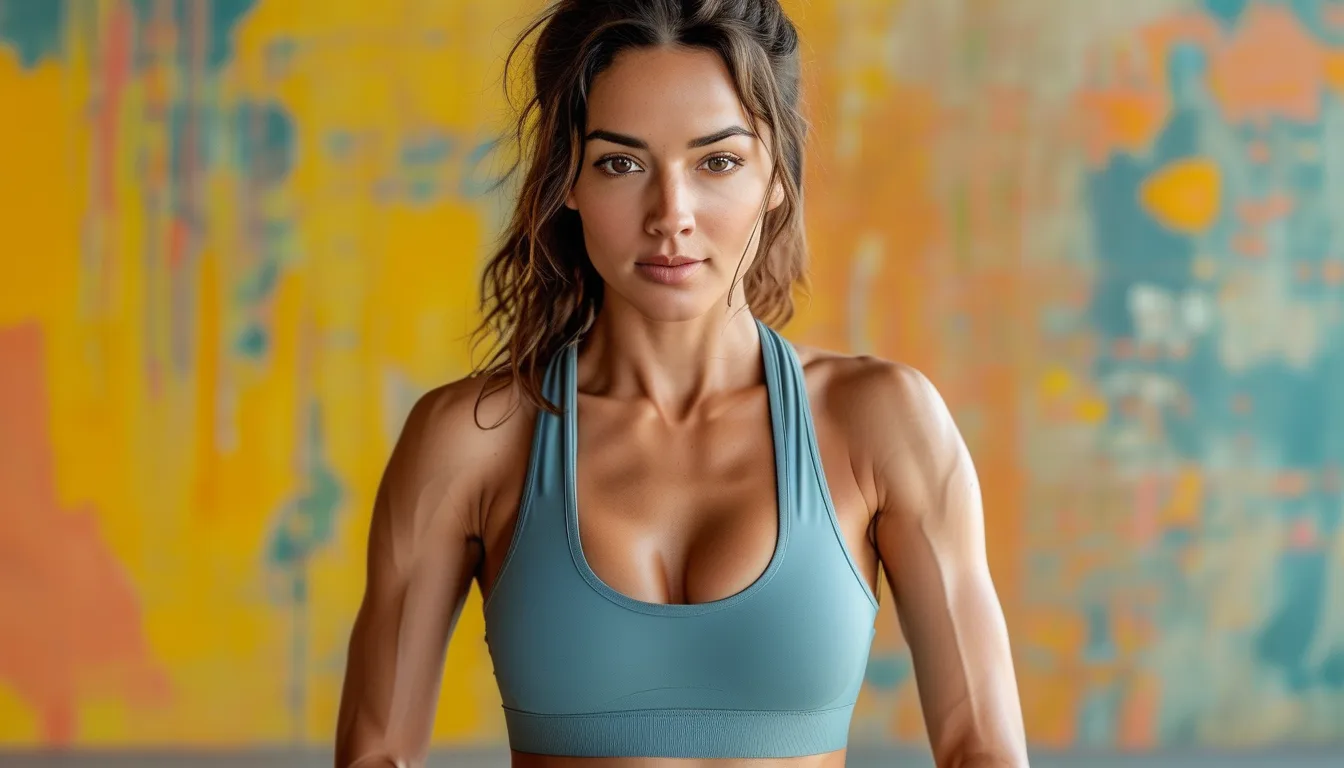
Why Two Leggings From the Same Brand Fit Completely Differently
Quick Answer: Different legging styles from the same brand often use entirely different fabric blends, patterns, and factories, even when the size label matches. Brands size each product line to its own fabric’s stretch behavior, not to a single universal body chart, so ‘size medium’ can mean different actual measurements across styles.
A sizing label is a starting point per product, not a promise across a brand’s entire catalog. Two ‘mediums’ can be built from fundamentally different pattern blocks.
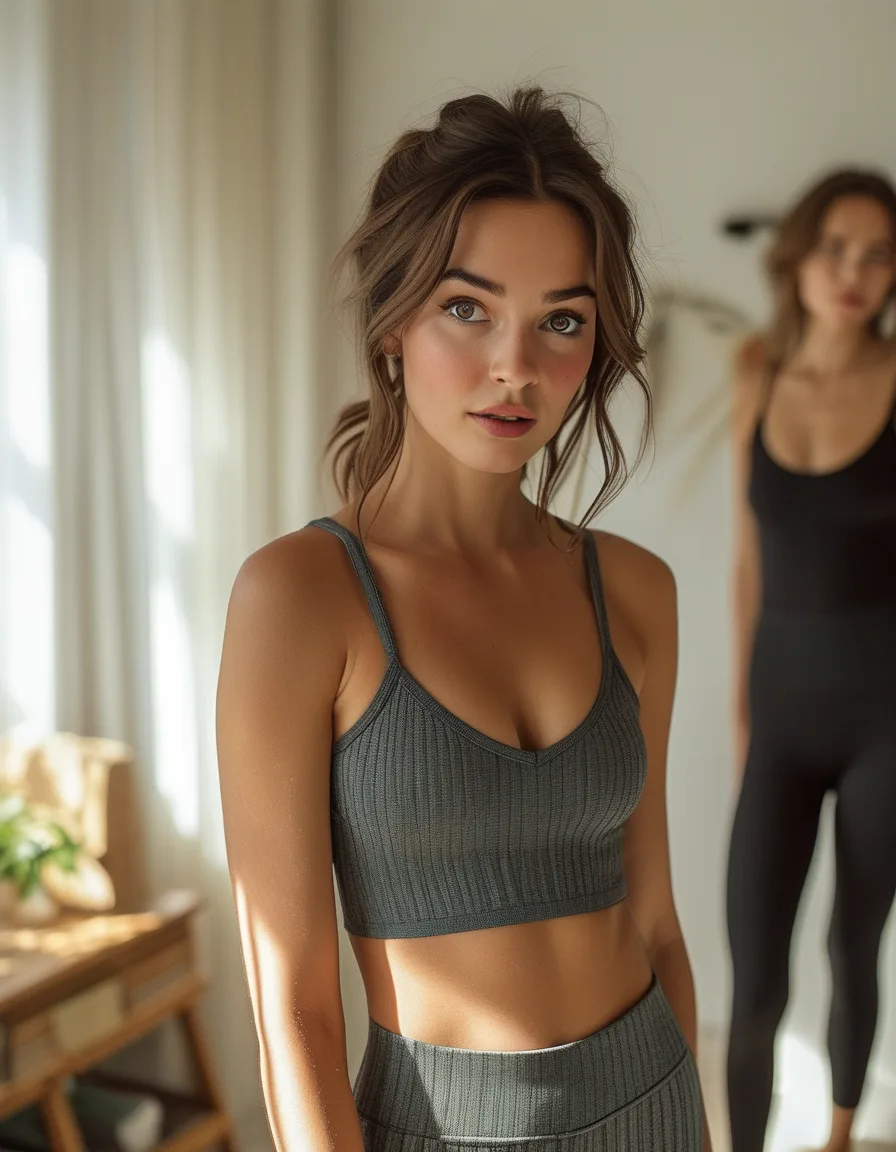
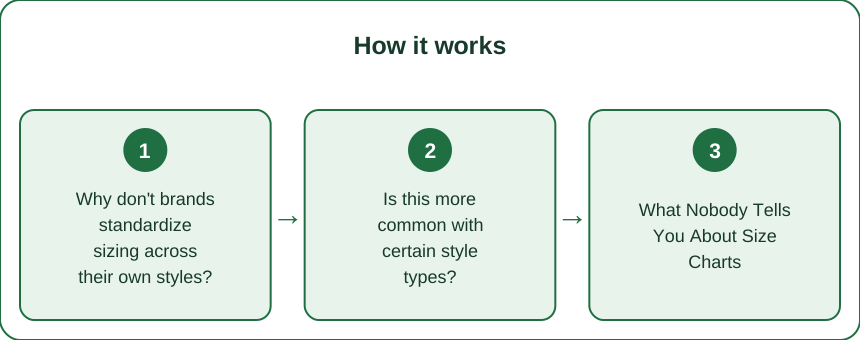
Why don’t brands standardize sizing across their own styles?
Every fabric blend stretches, recovers, and behaves differently, so a pattern designed for a high-compression fabric needs different actual dimensions than one designed for a soft, low-stretch fabric to produce the same fit outcome. Brands adjust the physical pattern per style to compensate — which means the number on the tag stays ‘medium’ while the actual garment dimensions shift.
Production location matters too — many brands manufacture different lines in different factories, sometimes in different countries, each with their own sizing calibration even when following the same nominal size chart.
Is this more common with certain style types?
Yes — compression-focused styles run tighter and smaller by design, since the fit relies on the fabric’s grip rather than loose room. Relaxed, wide-leg, or flowy styles run looser or true-to-measurement, since there’s less reliance on stretch to create the fit.
A brand’s flagship ‘signature’ legging and its newer ‘lounge’ line can differ by a full size in actual roominess despite an identical size label, simply because they’re solving different fit problems.
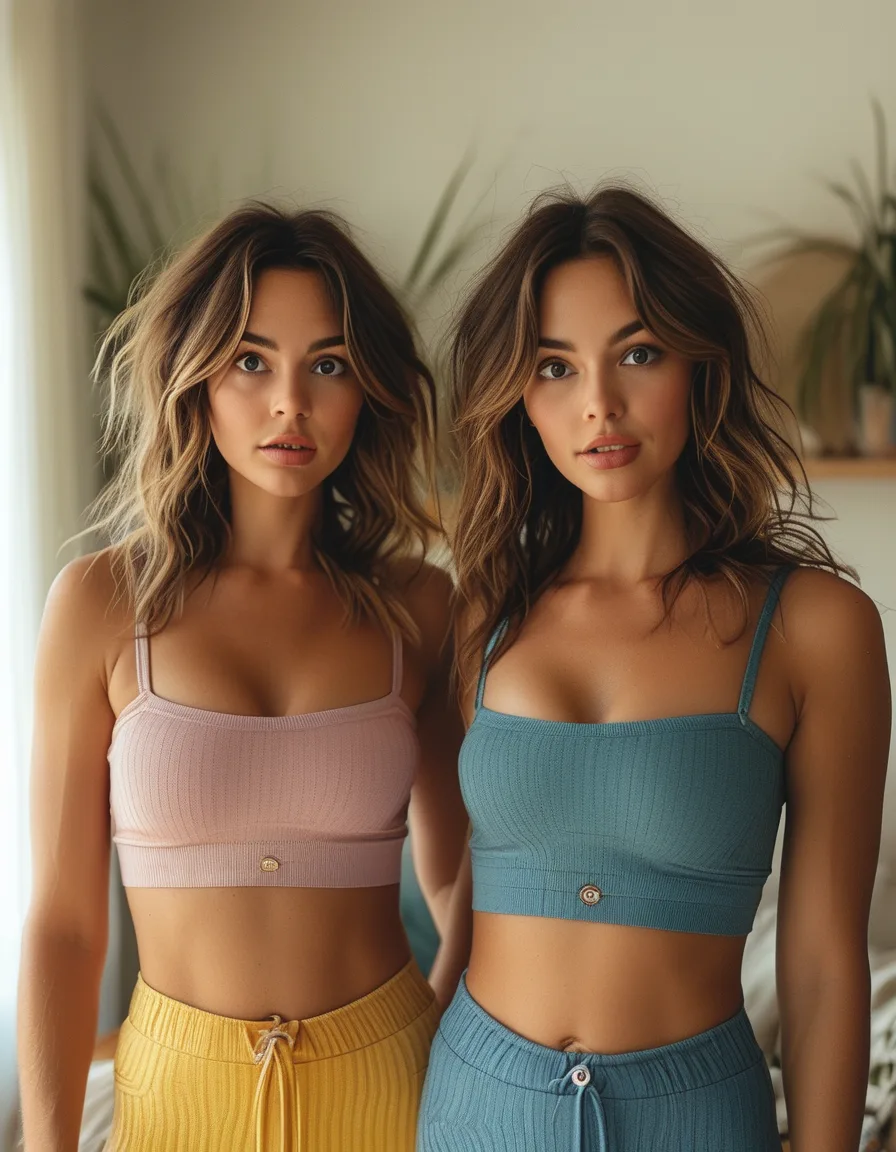
What Nobody Tells You About Size Charts
Here’s the part most shoppers don’t realize: a brand’s published size chart usually describes body measurements, not garment measurements — and the gap between those two numbers (called ‘ease’ or negative ease for compression wear) varies by style, sometimes without documentation.
A compression legging might use 2 inches of negative ease at the waist for support, while a relaxed style uses zero ease or even positive ease for comfort. Same chart, same size letter, completely different resulting garment.
How do you shop this brand’s other styles without guessing?
Check garment measurements, not just the size letter, when available — many brands list actual flat-measured garment dimensions per style, which is the real comparison point. If unavailable, check reviews specifically mentioning fit for that exact style, since ‘runs small’ or ‘runs big’ comments on one product don’t transfer to another from the same brand.
When ordering a new style for the first time, ordering two adjacent sizes to compare at home (and returning one) is often faster and more reliable than trying to predict fit from a past purchase in a different style.
FAQ: Cross-Style Sizing Questions, Answered
Should I always size the same across one brand’s whole line?
No — treat each style as its own sizing decision, especially when switching between compression and relaxed fits within the same brand.
Do brands ever fix this inconsistency over time?
Some do, gradually, as they consolidate pattern blocks — but it’s common enough industry-wide that checking per-style fit info remains the safer habit regardless of brand.
Is garment measurement or body measurement more reliable for sizing?
Garment measurement (the actual flat dimensions of the piece) is more reliable when available, since it removes the guesswork of how much ease or compression that specific style was designed with.
TL;DR:
- Different fabric blends need different pattern dimensions to hit the same fit, even at the same size label
- Compression styles use negative ease (tighter than body measurements); relaxed styles often don’t
- A brand’s size chart usually reflects body measurements, not the actual garment’s dimensions
- Check garment measurements or style-specific reviews rather than assuming consistency across a brand’s line
Treat every new style as its own sizing decision — brand loyalty doesn’t guarantee fit consistency.
See It in Motion
Seen here: Super High Waist Embossed Yoga Leggings with Inner Pocket — shop it on bubblelime.com
Keep Reading
This article is for general informational and styling purposes only. Fit, sizing, and product availability may vary.