Why Leggings That Pass a Mirror Squat Test at Home Can Still Go Sheer in an Actual Class
Leggings that pass a slow, deliberate squat test in front of a bedroom mirror, staying fully opaque through the bend, can still go sheer and see-through halfway through an actual class full of repeated squats and lunges, and that gap isn’t a manufacturing defect — it’s that one slow squat and forty repeated ones stretch the exact same fabric in very different ways.
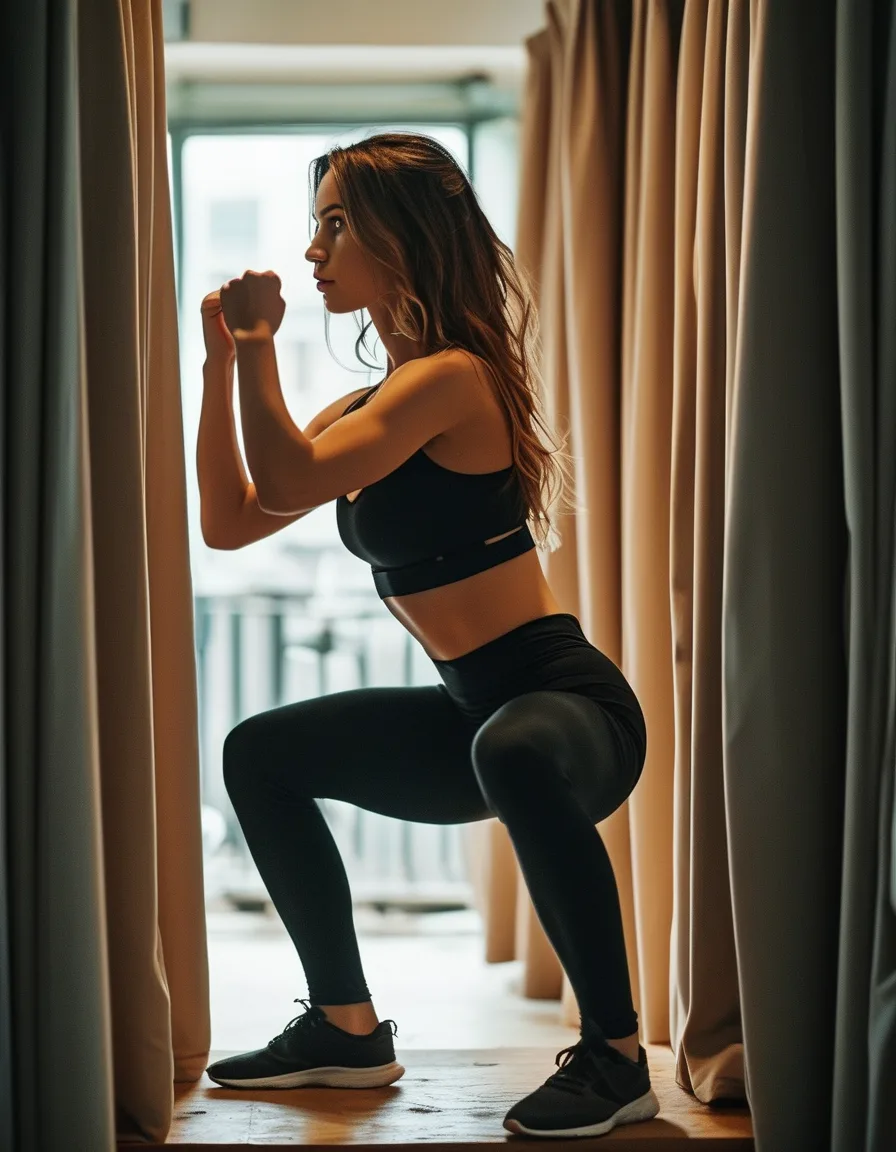
Why a Single Slow Squat Tests Only One Static Angle
The narrowness: a-single-slow-mirror-squat-tests-fabric-opacity-at-only-one-static-stretch-angle-held-briefly-rather-than-across-the-many-repeated-angles-a-real-class-actually-produces (a single, slow mirror squat testing fabric opacity at only one static stretch angle held briefly for a moment, rather than across the many repeated stretch angles that an actual class full of squats and lunges goes on to produce, per the squatproof-basics-guide logic — a-single-slow-mirror-squat-testing-fabric-opacity-at-only-one-static-stretch-angle-held-briefly-rather-than-across-the-many-repeated-angles-a-real-class-produces), and the reframe (one squat confirming opacity for one angle, not for the fabric’s full range of motion)).
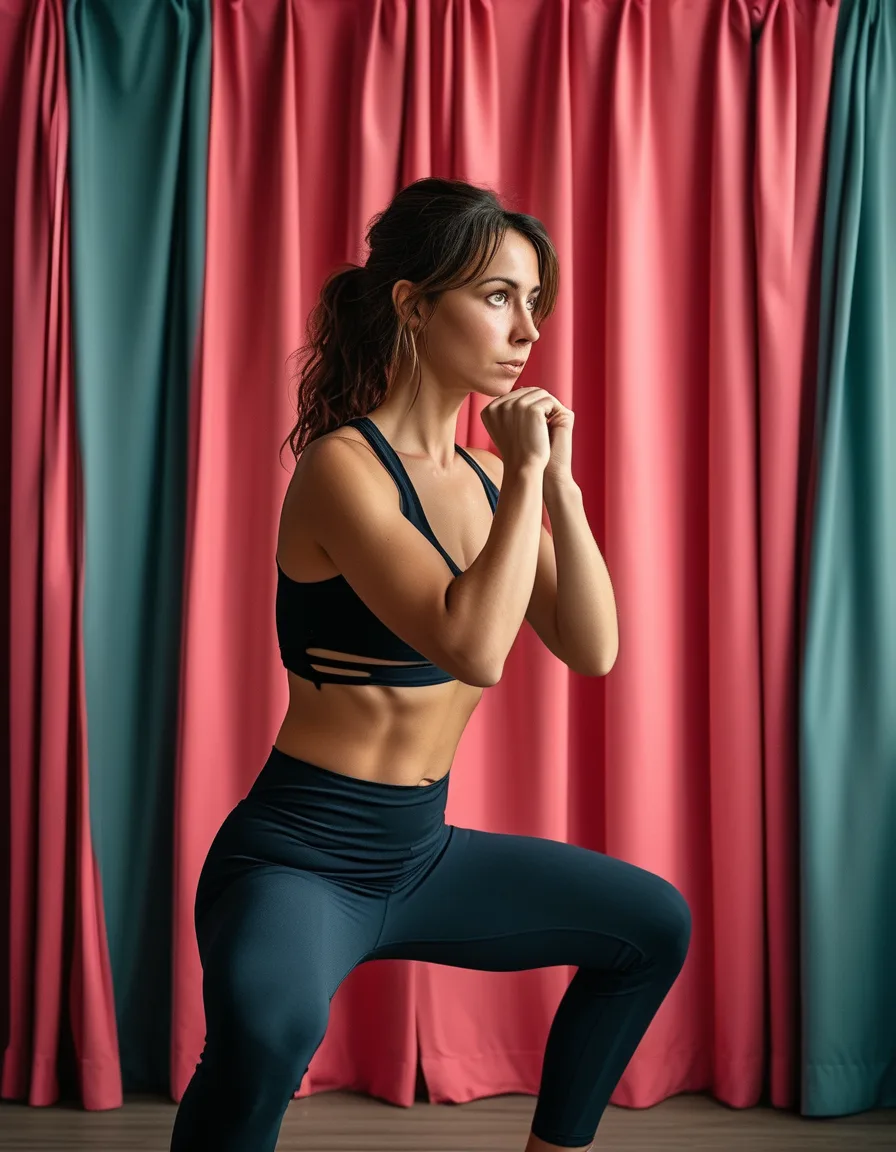
Why Repeated Class Movement Stretches Fabric Differently
The wear: repeated-squats-and-lunges-in-a-real-class-flex-the-same-fibers-over-and-over-at-slightly-different-angles-each-time-gradually-exposing-thin-spots-a-single-static-squat-never-reaches (repeated squats and lunges across a real class flexing the exact same fibers over and over at slightly different angles each time, gradually exposing thin spots in the fabric that a single, static squat test never actually reaches, per the activewear-fabric-tech-decoder logic — repeated-squats-and-lunges-across-a-real-class-flexing-the-same-fibers-over-and-over-at-slightly-different-angles-each-time-gradually-exposing-thin-spots-a-single-static-squat-never-reaches), and the frame (repetition, not depth, being the variable a mirror test fails to simulate)).
How a Repeated-Squat Test In-Store Catches the Real Risk
The test: do-ten-to-fifteen-consecutive-squats-in-the-fitting-room-instead-of-one-checking-opacity-after-repetition-rather-than-relying-on-a-single-slow-squat-in-front-of-the-mirror (doing ten to fifteen consecutive squats right in the fitting room instead of just one, checking opacity specifically after that repetition has happened, rather than relying only on a single slow squat performed once in front of the mirror, per the activewear-review-reading-guide logic — doing-ten-to-fifteen-consecutive-squats-in-the-fitting-room-instead-of-one-checking-opacity-after-repetition-rather-than-relying-on-a-single-slow-squat), and the frame (testing for the condition leggings will actually face, not the condition a store mirror makes convenient)).
A single slow mirror squat tests fabric opacity at only one static stretch angle, while repeated squats and lunges in a real class flex the same fibers over and over at slightly different angles, gradually exposing thin spots a slow test never reaches. Doing ten to fifteen consecutive squats in the fitting room and checking opacity after that repetition, instead of relying on one slow squat, tests leggings for the condition they’ll actually face in class rather than the condition a mirror makes convenient to check.
See It in Motion
Seen here: High Waist Yoga Leggings with Inner Pocket — shop it on bubblelime.com
Keep Reading
This article is for general informational and styling purposes only. Fit, sizing, and product availability may vary.