Why Online Sizing Charts Still Get It Wrong for 'Squat-Proof' Leggings Specifically
Quick Answer: Standard size charts measure static body dimensions, but squat-proof opacity depends on how much the fabric stretches under a deep squat specifically — a legging that’s technically your correct size by chart measurement can still thin out and become see-through if it’s stretched near its opacity limit at that specific movement, which static charts don’t account for.
You double-checked your measurements against the chart before ordering. The size was correct by every number listed. And yet the deep squat test in the fitting room mirror showed exactly the sheerness you were trying to avoid.
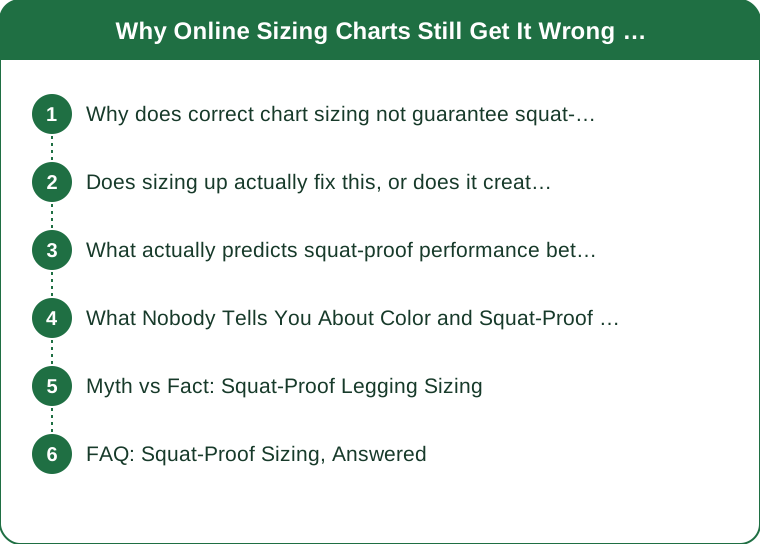
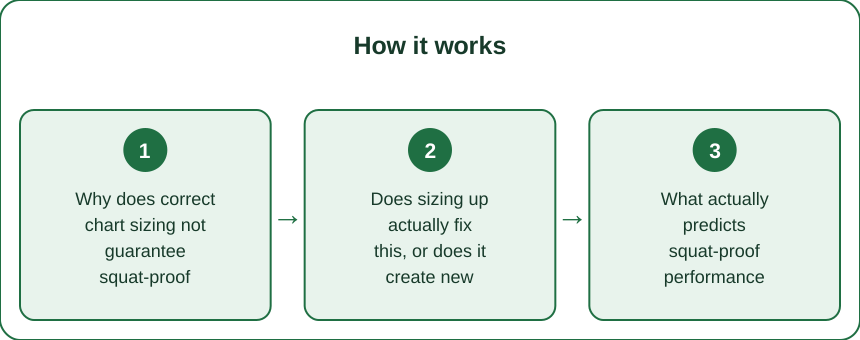
Why does correct chart sizing not guarantee squat-proof opacity?
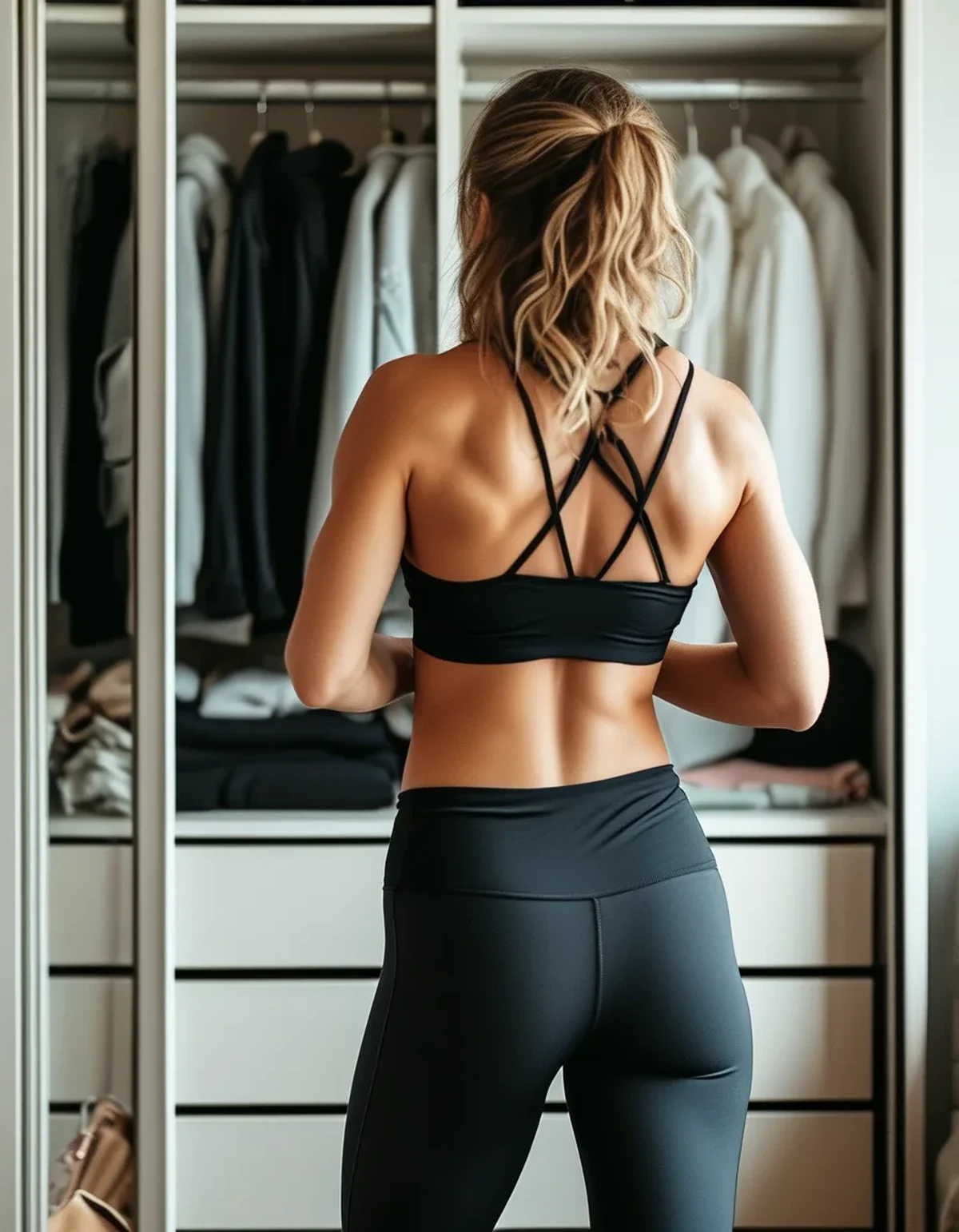
Size charts measure static body dimensions — waist, hip, inseam — while squat-proof performance depends on how much the fabric stretches during a specific dynamic movement (a deep squat pulls fabric taut across the seat and thighs more than standing or walking does). A legging can be the mathematically correct size for your static measurements while still being pulled thin enough during a deep squat specifically to reveal see-through spots, since opacity under stretch isn’t something static measurements capture at all.
Does sizing up actually fix this, or does it create new problems?
Sizing up can reduce stretch-related sheerness since there’s more fabric material relative to the same movement range, but it introduces its own tradeoff — a size too large elsewhere can cause bunching or slipping in areas like the waistband or ankles, which brings its own comfort and functional issues. It’s a genuine tradeoff, not a clean fix.
What actually predicts squat-proof performance better than the size chart?
Fabric weight and stretch-recovery specifications, when published, are a better predictor than chart size alone — heavier fabric weights (often listed in grams per square meter) generally resist see-through stretching better than lighter, thinner fabric blends regardless of how correctly sized the garment is. Reviews mentioning a specific ‘squat test’ result are also more reliable than chart measurements alone, since reviewers are testing the actual dynamic stretch scenario.
What Nobody Tells You About Color and Squat-Proof Perception
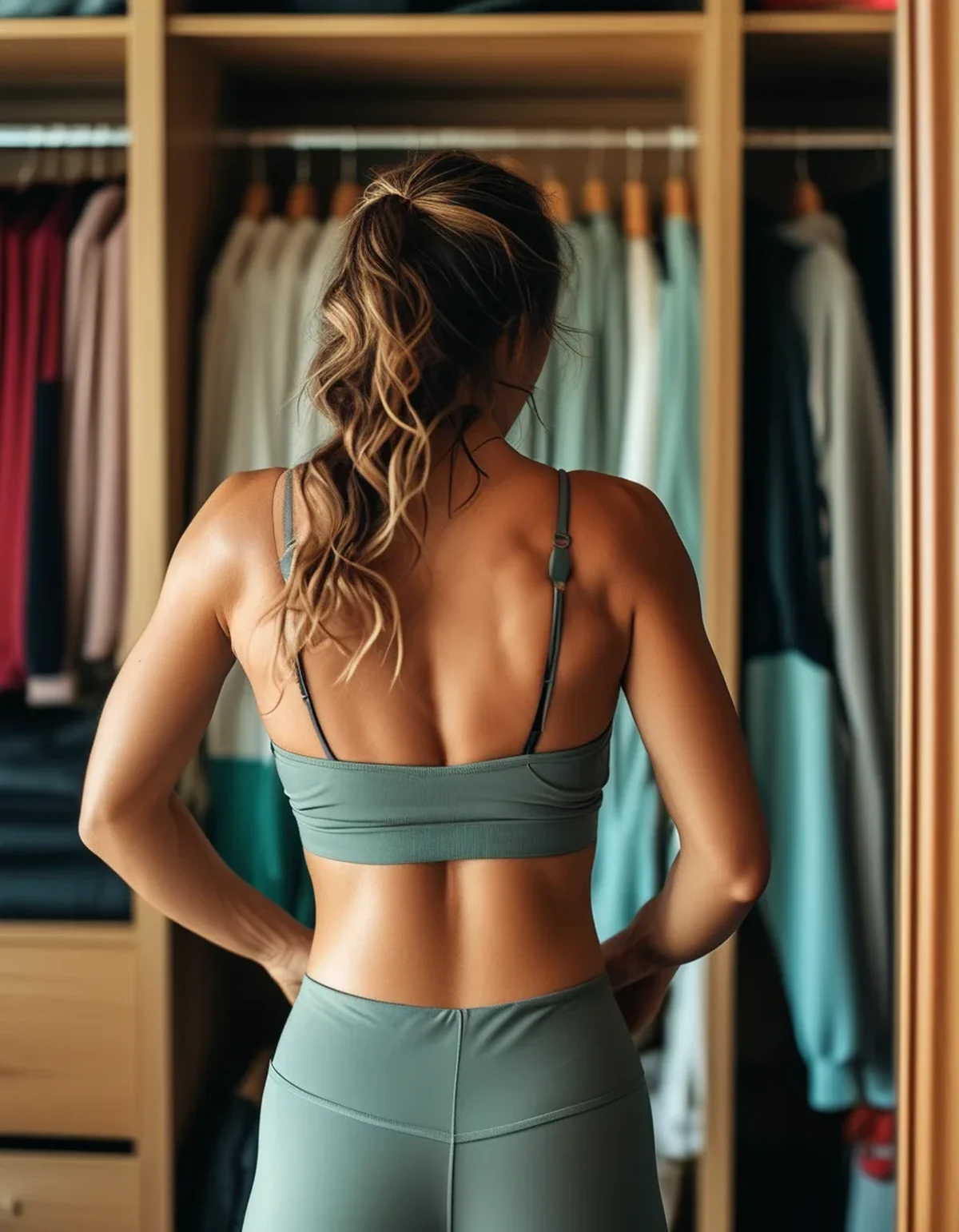
Here’s a detail that surprises many buyers: lighter colors (especially pastels and light grays) reveal stretch-thinning far more visibly than darker colors, even in the exact same fabric and correct size — a black legging in a fabric that would show sheerness in light gray can look completely opaque in the identical squat position, purely due to how light interacts with lighter dye colors under stretch. If squat-proof reliability matters most, darker colorways in the same product line are a meaningfully safer bet.
Myth vs Fact: Squat-Proof Legging Sizing
Myth: Correct chart sizing guarantees squat-proof opacity. Fact: Charts measure static dimensions, not dynamic stretch behavior during specific movements like deep squats.
Myth: Sizing up is a clean, tradeoff-free fix for sheerness. Fact: Sizing up can introduce bunching or slipping elsewhere, even as it reduces stretch-related sheerness.
Myth: Fabric color doesn’t affect squat-proof performance. Fact: Lighter colors reveal stretch-thinning far more visibly than darker colors in the identical fabric.
FAQ: Squat-Proof Sizing, Answered
Is there a reliable way to test squat-proof opacity before a full workout?
Doing an actual deep squat in front of a mirror (or having someone check) during the return window is the most reliable pre-purchase test, more so than trusting chart size alone.
Do heavier fabric weights always mean better squat-proof performance?
Generally yes, though extremely heavy fabric can sometimes trade off breathability, so it’s a balance rather than ‘heaviest is always best.‘
Should I always choose darker colors for squat-proof reliability?
It’s a meaningfully safer bet if squat-proof performance is your top priority, though it’s a preference tradeoff against wanting lighter colorways.
TL;DR:
- Static size charts don’t capture how fabric stretches during a specific dynamic movement like a deep squat
- Sizing up can reduce sheerness but introduces its own bunching or slipping tradeoffs elsewhere
- Fabric weight and stretch-recovery specs predict squat-proof performance better than chart size alone
- Lighter colors reveal stretch-thinning far more visibly than darker colors in the same exact fabric
Before your next squat-proof legging purchase, do the actual deep squat mirror test during the return window rather than trusting chart measurements alone to predict opacity.
See It in Motion
Seen here: High Waist Yoga Leggings with Inner Pocket — shop it on bubblelime.com
Keep Reading
This article is for general informational and styling purposes only. Fit, sizing, and product availability may vary.